The American Quran Institute’s Quran Tafsir Course in the USA equips American Muslims with deep Quranic understanding through structured Islamic scholarship. Students explore classical Tafsir methodologies, contextual meanings, and linguistic analysis under qualified scholars who connect revelation to modern American life.
Arabic-speaking professionals, converts, and heritage learners gain skills to interpret Quranic verses independently. This course bridges centuries of Islamic scholarship with America’s diverse communities, offering practical tools for sermons, community leadership, and personal spiritual growth rooted in authentic textual comprehension.
More Details Pricing Testimonials

The American Quran Institute’s Quran Tafsir Course in the USA trains students in systematic Quranic interpretation using classical and contemporary Tafsir sources. Lessons cover Asbab al-Nuzul (contexts of revelation), rhetorical devices in Quranic Arabic, thematic analysis across Surahs, and comparative readings from Ibn Kathir, Al-Tabari, and modern scholars.
Students analyze word roots, grammatical structures, and legal implications within verses. Instructors guide learners through Makki versus Madani revelations, abrogation principles, and how historical context shapes meaning—skills essential for independent Quranic study and teaching roles in American mosques.
The American Quran Institute organizes Tafsir instruction through progressive modules that build interpretive competence systematically.
Students dissect verse structures using I’rab (grammatical parsing) to uncover syntactical meanings. Lessons show how verb forms, pronoun shifts, and particle usage alter interpretation. English speakers learn why a single حرف changes legal rulings or theological implications across Tafsir schools.
Instructors teach how revelation circumstances clarify ambiguous passages. Students examine Hadith literature, Sirah accounts, and pre-Islamic Arabian customs that inform Quranic commands. This module prevents misapplication of verses by grounding interpretation in documented historical events.
Learners compare Ibn Kathir’s Hadith-based approach with Al-Zamakhshari’s linguistic focus and Al-Razi’s reasoning. Classes explore when scholars disagree on meanings, teaching students to weigh evidence and understand legitimate interpretive diversity within Sunni tradition.
Students trace recurring themes—justice, patience, covenant—through the entire Mushaf. This cross-referencing technique, central to traditional Tafsir training, reveals how Allah explains the Quran through the Quran itself, strengthening holistic understanding beyond isolated verse readings.
Outcomes
Graduates navigate Arabic Tafsir volumes without relying solely on translations. They cross-reference multiple scholars, identify weak interpretations. This independence proves critical for imams, teachers, and educated laypersons leading American Muslim communities.
Students learn how classical jurists derived principles from verses, then apply those methodologies to modern questions. They distinguish universal commands from context-specific examples, enabling thoughtful responses to American workplace ethics, civic engagement, and family law discussions grounded in Quranic wisdom.
Learners identify Iltifat (pronoun shifts), Isti'arah (metaphor), and Taqd im-Ta'khir (word order variations) that emphasize meaning. Recognizing these devices deepens appreciation for Quranic eloquence and prevents literal misreadings where figurative language was intended by the revelation's original audience.
Graduates explain why Makki Surahs emphasize theology while Madani Surahs detail legislation. They apply chronological awareness to prevent anachronistic interpretations, understanding how the Muslim community's growth from persecution to statehood shaped revelation progressively over twenty-three years.
Students learn which Hadiths clarify Quranic verses and why sahih narrations outweigh weak reports. They practice verifying Prophetic explanations through isnad criticism, avoiding fabricated Tafsir narratives that circulate online—a vital skill for American Muslims navigating unvetted digital Islamic content.
Learners see how scholars debate whether a Quranic command is obligatory or recommended based on verb forms. They study why translating "qawwamun" as "protectors" versus "maintainers" shifts gender discourse, equipping them to engage contemporary American debates with linguistic precision rooted in classical Arabic.
Why Choose us?
Teachers possess authorized credentials linking them to classical scholarship through unbroken transmission. Students verify instructor qualifications before enrollment.
Sessions accommodate US time zones from East to West Coast. Learners schedule around careers, family, and community commitments without compromising study depth.
Tuition remains accessible for middle-class American households. Transparent pricing eliminates hidden fees, and payment plans accommodate students supporting families or paying student loans.
Instructors translate complex concepts into clear American English without diluting scholarly rigor. Students grasp difficult grammatical points through examples relevant to native English speakers.
Private lessons address individual learning paces and specific questions. Teachers adjust curriculum focus based on student backgrounds—converts receive different support than heritage Arabic speakers.
Examples address issues American Muslims face: workplace prayer, civic participation, interfaith dialogue. Students apply Quranic principles to scenarios they encounter in New York, Los Angeles, Chicago communities.
Regular assessments measure comprehension without overwhelming students. Instructors provide feedback on interpretive accuracy, helping learners identify weak areas needing review before advancing to complex texts.
Completed students retain materials and consultation access. This ongoing support helps when questions arise during teaching, sermon preparation, or personal study years after course completion.
Areas we serve in The USA
Related Courses
The American Quran Institute teaches Quranic Arabic fundamentals, Modern Standard Arabic conversation, Tajweed refinement, Hifz techniques, and specialized tracks from beginner to advanced levels for all ages.
The American Quran Institute's Tajweed Course for Ladies in the USA teaches Quranic recitation with precision. Students learn Makharij al-Huruf, Sifat al-Huruf, and advanced Tajweed application through one-on-one sessions with qualified female instructors who understand the technical demands of accurate recitation.
Explore Course
The American Quran Institute's Tajweed Course for Adults in the USA teaches proper Quranic recitation through step-by-step phonetic training. Adult learners master makharij al-huruf (articulation points), sifaat (letter characteristics), and Tajweed rules applied directly to Quranic verses during one-on-one sessions.
Explore Course
The American Quran Institute's Tajweed Course for Kids in the USA teaches young learners the precise articulation rules that transform basic Quranic recitation into accurate, confident reading. This program covers Makharij (articulation points), Sifaat (letter characteristics), and foundational Tajweed rules through age-appropriate methods designed for children's learning patterns.
Explore CourseAmerican Muslims deserve Tafsir education that honors classical scholarship while addressing contemporary questions facing communities across the United States.
Testimonials
American Quran Institute graduates lead mosques, teach Islamic studies, publish Tafsir commentary, and guide community discussions across the United States using skills gained through structured Quranic interpretation training.
I joined Shaykhi Academy to improve my Tajweed, and I noticed a steady improvement in my reading after a few weeks. The lessons are structured and easy to follow and the teachers and patient and professional. My teacher, Dr. Mahmoud explains concepts clearly and makes sure I understand before moving on. I’ve found that my pronunciation has improved during prayer and in reading Quran since starting the course. Overall my experience is very positive, and I would recommend it to others who want to improve in their Quran journey.
Asalamu Alaikum! I’m so blessed I found Shaykhi Academy. My teacher Ms. Nada is so caring and compassionate about teaching. I’ve learning and gaining lot of meaningful Islamic knowledge and mastering the Arabic Quran reading. The Service Company is very helpful, cooperative and passionated as well.
Real transformations from students who mastered the Quran with our courses
I took a class at Shaykhi Academy with Mr. Luqman, and I had a lot of fun learning with him. I even got the chance to meet him in Egypt! I learned a lot from my time with him, including Tajweed, Tahweed, Arabic reading, and Quran. I've been learning with him for about a year now. Thank you for your time.
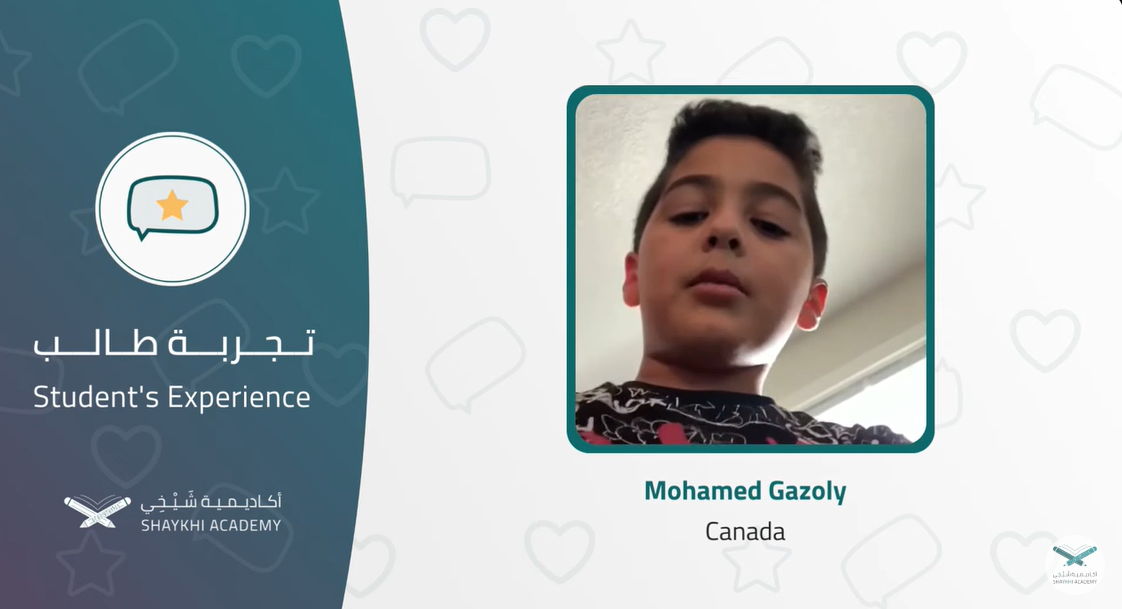
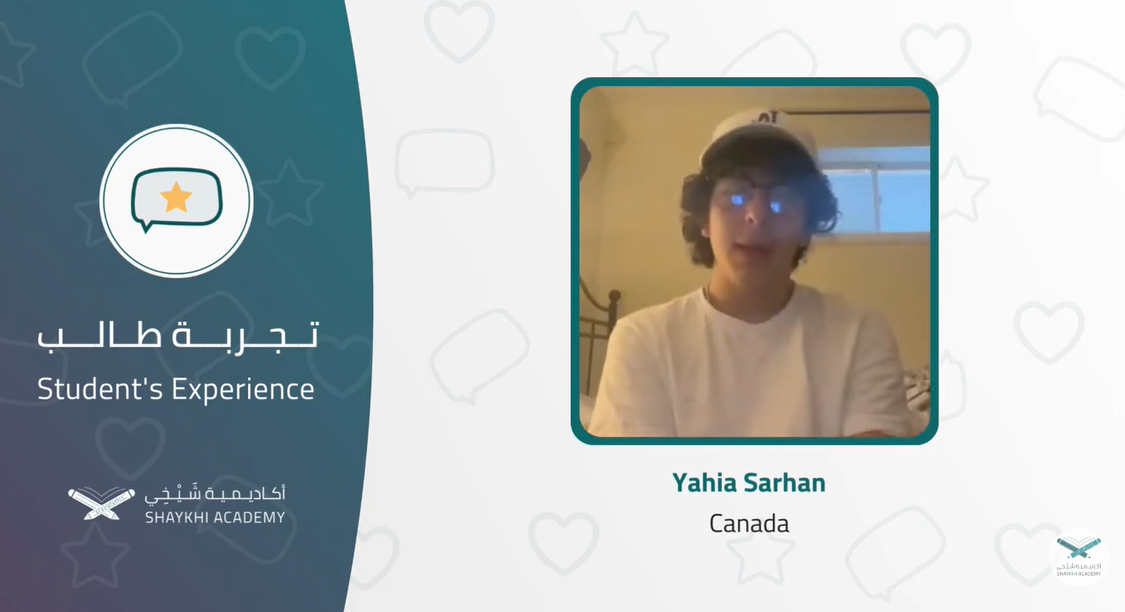
I’m Yahia Sarhan, I’m 15 years old and I’m from Canada. I’ve been a student at Shaykhi Academy since 2019, so about three or four years now. It’s been a great learning opportunity for me and I’ve learned a lot about Islamic studies, the Quran, and Arabic reading. I’d definitely recommend it to anyone who’s trying to learn.
Qualified scholars, structured curricula, and flexible scheduling make authentic Tafsir education accessible for American Muslims committed to deepening Quranic understanding.
Common questions from prospective students considering structured Quranic interpretation studies through The American Quran Institute's USA-based programs.